
Top 10 Largest Chinese Loans to Kenya: Projects, Impacts, and Economic Implications 🇰🇪💰

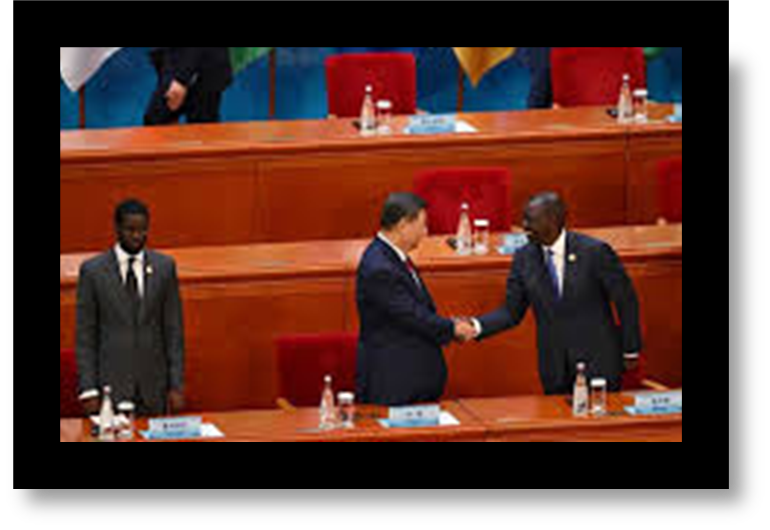
The partnership between Kenya and China has grown through initiatives like the Belt and Road Initiative (BRI). Most of these loans are channeled through Chinese state-owned institutions such as the China Exim Bank. While these engagements have accelerated development, they have also raised concerns about transparency, debt sustainability, and sovereignty. Click
1. Mombasa-Nairobi Standard Gauge Railway (SGR Phase 1)
Loan Amount: KSh 360 Billion (USD 4.8 Billion)
Lender: China Exim Bank
Keyphrase Use: Top 10 Largest Chinese Loans to Kenya
This iconic 472-kilometer railway project aimed to connect Kenya’s main port, Mombasa, with Nairobi. The project promised to streamline cargo transportation and reduce traffic congestion.
Impact:
- Improved logistics and cargo movement
- High maintenance and operational costs
- Questions over cost-effectiveness and loan transparency
🚉 2. Nairobi-Naivasha SGR Extension (Phase 2A)
Loan Amount: USD 1.4 Billion
Designed to extend the railway to Naivasha, this project connects Nairobi with the western part of Kenya, facilitating industrial growth.
Impact:
- Boosted infrastructure for future trade links
- Limited freight uptake in early phases
3. Nairobi Southern Bypass
Impact:
The USD 183.6 million investment in the Nairobi Southern Bypass has had a notable impact on the city’s transportation and economic landscape:
- ✅ Significant Traffic Reduction: By rerouting long-distance and transit vehicles away from the central business district, the bypass has drastically eased congestion in downtown Nairobi. Commuters experience shorter travel times, particularly during peak hours.
- ✅ Improved Logistics for Businesses: The smoother traffic flow has enhanced the movement of goods and services across the city and beyond. Businesses now face fewer delays, leading to increased efficiency and reduced operational costs, especially for logistics, retail, and manufacturing sectors.
- ✅ Boost to Regional Connectivity: The bypass forms part of the greater Northern Corridor, improving connections between Mombasa Port and inland destinations such as Uganda, Rwanda, and South Sudan.
Overall, the project has delivered tangible economic benefits while contributing to a more modern and efficient urban transport system.
4. Nairobi-Thika Superhighway
Impact:
The upgrade of the Nairobi-Thika Superhighway, funded at approximately KSh 15 billion, has delivered significant benefits across multiple sectors:
- ✅ Reduced Travel Time and Fuel Costs: The expansion into a six-lane highway drastically cut travel time between Nairobi and Thika. What once took over two hours can now be completed in under 45 minutes during off-peak hours, reducing fuel consumption and vehicle wear-and-tear.
- ✅ Stimulated Real Estate and Commercial Growth: The improved accessibility has spurred major real estate developments along the corridor in areas like Kasarani, Ruiru, and Juja. Retail centers, residential estates, and commercial hubs have rapidly emerged, boosting local economies and creating employment.
This project stands as a model of how infrastructure can unlock regional growth and improve quality of life for daily commuters and businesses alike.
🔋 5. Geothermal Drilling Equipment Loan
Loan Amount: USD 382.5 Million
This investment supported Kenya’s drive toward renewable energy by funding geothermal equipment for exploration and drilling.
Impact:
- Kenya became a leader in geothermal energy in Africa
- Less reliance on hydro and thermal power
6. Nairobi Inland Container Depot (ICD)
Loan Amount: KSh 11.8 Billion
The ICD streamlines cargo clearance from the Mombasa port, easing transport inland.
Impact:
- Reduced turnaround time for cargo
- Job creation in logistics and warehousing
x 7. Lamu Port and LAPSSET Corridor
Loan Amount: USD 3.3 Billion
One of the biggest infrastructure undertakings in East Africa, the LAPSSET project connects Kenya to South Sudan and Ethiopia.
Impact:
- Opened trade routes in northern Kenya
- Progress slower than expected
8. Naivasha-Kisumu SGR Extension (Phase 2B)
Loan Amount: USD 1.5 Billion
This extension aimed to revive Kisumu Port and link Kenya with Uganda and Rwanda via rail.
Impact:
- Trade potential remains high
- Project stalled due to funding delays
9. Jomo Kenyatta International Airport (JKIA) Upgrade
Loan Amount: USD 500 Million
This upgrade improved air traffic handling and passenger experience at Kenya’s main international airport.
Impact:
- Boosted tourism and cargo capacity
- Positioned JKIA as a regional aviation hub
10. National Roads and Bridges
Loan Amount: USD 700 Million
Multiple roads and bridges have been built or improved under this loan across Kenya.
Impact:
- Improved national mobility and regional trade
- Enhanced rural connectivity
Economic and Strategic Implications of Chinese Loans to Kenya
Rising Debt Concerns
While concessional, Chinese loans to Kenya have raised alarms about debt sustainability. Kenya’s debt-to-GDP ratio has grown steadily, reducing budgetary space for social investments like health and education.Top Largest Chinese Loans to Kenya
Transparency Challenges
Several projects have faced scrutiny due to limited public access to loan agreements. Increased transparency is crucial for trust and accountability.
Sovereignty and Strategic Risks
Although denied by government officials, concerns linger over the possibility of ceding strategic assets in case of loan defaults.
Recommendations for Sustainable Financing
- Diversify financing sources beyond Chinese lenders
- Enhance transparency in all foreign-funded contracts
- Promote technology transfer and local labor use
- Audit all major projects independently
- Ensure community engagement in large-scale developments
Final Thoughts: What Do Chinese Loans Mean for Kenya’s Future?
The Top 10 Largest Chinese Loans to Kenya have without a doubt accelerated infrastructure growth. However, balancing economic development with fiscal responsibility is critical. Kenya must embrace a diversified and transparent financing strategy to ensure future generations are not burdened by today’s decisions. IMF’s official page.
Disclaimer
This article is for informational purposes only and does not constitute financial, investment, or legal advice. The data presented, including loan amounts, project descriptions, and economic impacts, are based on publicly available sources and may not reflect the most current figures or developments. While every effort has been made to ensure accuracy, the publisher does not guarantee completeness or reliability. Readers are advised to consult official government reports or financial experts before making decisions based on this content. The article does not represent the views of any government, financial institution, or affiliated agency.