🌟 Empowering Women in Kenya’s Poorest Communities Through Education
Empowering women through education in Kenya’s poorest communities is more than a slogan—it’s a transformative force that shapes entire societies. In informal settlements like Nairobi’s Kibera slum, where poverty, unemployment, and gender inequality are daily struggles, education becomes a powerful tool for change.
When girls and women in these underserved areas access quality education, the effects ripple across communities. Educated women are more likely to find employment, start small businesses, and contribute to the local economy. Moreover, they can make informed choices about health, nutrition, and family planning—decisions that improve household well-being and drive community growth.
In addition, education transforms lives and breaks the cycle of poverty. A woman who completes her education is more likely to send her children—especially daughters—to school. This creates a legacy of opportunity and empowerment. In areas plagued by early marriage, gender-based violence, and limited resources, education gives women a voice, a choice, and a future.
Why Education Matters: Breaking Barriers and Creating Change
1️⃣ Breaking the Cycle of Poverty
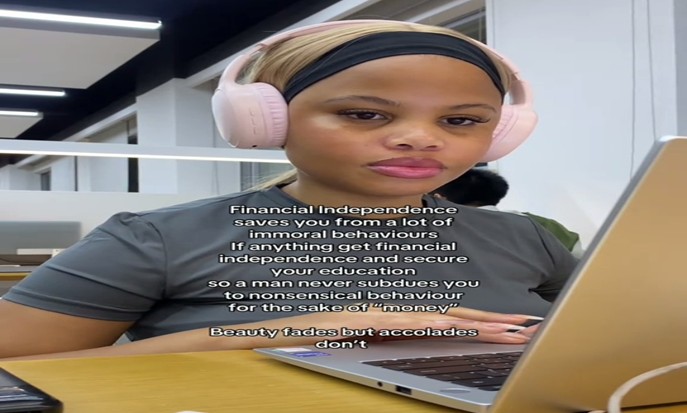
Educating women is one of the most effective ways to reduce poverty. With quality education, women gain knowledge and skills that help them secure stable, better-paying jobs. This financial independence improves not only their lives but also uplifts their families and communities.
Research shows that educated women make better choices about health, nutrition, and childcare. For example, they delay early marriage, have fewer but healthier children, and ensure their daughters attend school. Most importantly, women reinvest up to 90% of their income into their families—far more than men—enhancing access to food, healthcare, and housing.
Therefore, educating women creates a multiplier effect. It boosts economic growth, reduces inequality, and ends poverty across generations. When you educate a woman, you empower a nation.
2️⃣ Healthier Families and Communities
Education gives women the confidence and knowledge to make better health choices for themselves and their families. For instance, educated women are more likely to seek prenatal and postnatal care, access skilled birth attendants, and follow medical advice. They also understand the importance of immunizations and proper nutrition for their children.
Furthermore, education leads to informed family planning. Women delay childbirth and have smaller, healthier families, helping reduce maternal and infant deaths. Conversely, in areas with low education levels, maternal mortality and child illness remain high.
By investing in women’s education, we achieve better health outcomes across generations. It’s not only a social good—it’s essential for public health.
3️⃣ Social Empowerment and Grassroots Leadership
An educated woman becomes confident—ready to speak out, take action, and lead change. In marginalized communities, education helps women understand their rights, express their needs, and engage in decision-making. Whether in school boards, community groups, or local councils, educated women offer perspectives that often go unheard.
Their leadership strengthens democracy and ensures better attention to women’s and children’s issues. As a result, more women take on leadership roles and inspire others to do the same, creating a ripple of empowerment.
This shift leads to more inclusive, resilient communities. Indeed, development becomes community-driven—not imposed. Educated women are the foundation of grassroots leadership that changes lives.
Obstacles Still Stand: Challenges to Women’s Education in Kenya
Cultural Barriers and Gender Norms
In many communities, culture favors boys’ education over girls’. As a result, girls often miss school to care for siblings or do chores. Many are married off early, ending their education and childhood.
This gender bias restricts potential and hurts entire communities. However, educated girls grow into empowered women who make economic, social, and political contributions. Denying them education fuels poverty and inequality.
Economic Hardships
For poor families, costs like fees, uniforms, and supplies are hard to afford. When money is tight, families prioritize boys’ education. Girls are left behind.
In some cases, educating girls is seen as a poor investment, especially where early marriage is common. This mindset traps girls in poverty. Nevertheless, financial support like scholarships, school meals, and awareness campaigns can change this.
By helping low-income girls access education, we give them the tools they need to reach their potential and uplift their communities.
Unsafe and Inaccessible School Environments
Poor sanitation in schools prevents many adolescent girls from attending, especially during menstruation. Many schools lack clean, gender-segregated toilets, running water, and sanitary product disposal. Consequently, girls often skip school or drop out due to shame or discomfort.
In addition, safety is a concern. In crowded, poorly supervised schools, girls face harassment and gender-based violence. These unsafe conditions damage their well-being and limit learning.
To address this, schools must offer clean, safe, and inclusive spaces where all students—especially girls—can thrive.
SHOFCO: A Model for Transformative Change
A Holistic Approach to Empowerment
Shining Hope for Communities (SHOFCO), led by Kennedy Odede, is transforming education for women in places like Kibera. The organization removes barriers and offers full support to empower girls through education.
🎓 Free Education for Girls
SHOFCO runs free schools in urban slums, offering high-quality education to girls who would otherwise be excluded. These schools provide meals, supplies, uniforms, clean water, and healthcare. As a result, girls can focus on learning without the burden of costs.
This support model improves academic outcomes, attendance, and self-esteem. With the right support, girls from tough conditions can succeed and lead meaningful change.
🧵 Vocational and Financial Training
Programs in tailoring, cosmetology, and entrepreneurship give women practical skills to earn income. These hands-on courses foster independence and help support families.
Moreover, many programs offer business training, financial literacy, and mentorship. These help women start and grow small businesses. For those without access to formal education, vocational skills offer a path out of poverty.
Community Engagement Campaigns
SHOFCO works closely with parents and community leaders to promote girls’ education. Through forums, home visits, and campaigns, they challenge beliefs that undervalue girls’ learning.
This grassroots outreach highlights the benefits of educating girls—stronger families, healthier communities, and reduced poverty. Consequently, local support grows, and communities take ownership of the change.
Real Stories of Resilience and Transformation
Miriam: From Kibera to University
Raised in Kibera by a single mother, Miriam received a SHOFCO scholarship. She completed school and is now a university student and mentor—proof that education transforms communities.
Amina: From Dropout to Entrepreneur
Amina dropped out of school but joined SHOFCO’s tailoring program. Today, she runs a tailoring business that employs other women. She is a beacon of hope and empowerment.
The Way Forward: Ensuring Every Woman Has Access to Education
Stronger Government Policies
The government must expand free secondary education, enforce anti-child marriage laws, and fund menstrual hygiene programs to keep girls in school.
👨👩👧 Community Participation
Community participation plays a vital role in advancing girls’ education, especially in marginalized areas where cultural and social norms continue to hold girls back. Grassroots initiatives that involve parents, guardians, local leaders, and educators are key to creating lasting change.
To begin with, community programs should actively challenge harmful gender stereotypes that suggest boys are more deserving of education than girls. These outdated beliefs often lead families to prioritize sons while keeping daughters at home for domestic work or early marriage. Through dialogue sessions, awareness campaigns, and public forums, communities can begin to question and reshape these deeply held norms.
Moreover, showcasing successful female role models—especially those who come from similar backgrounds—can powerfully influence community attitudes. When girls and their families see women from their village or neighborhood who have succeeded through education, they are more likely to value schooling and commit to keeping their daughters in class. These role models can include teachers, health workers, businesswomen, or local leaders who represent what’s possible when girls are empowered.
Community-based organizations and faith groups can also contribute by promoting inclusive messages in their gatherings and using trusted voices to reinforce the importance of girls’ education. For example, religious leaders can advocate for schooling from the pulpit, framing education as not just a right but a shared community responsibility.
📌 Disclaimer
This article is for informational purposes only. It does not constitute legal, financial, or official advice. Mention of organizations does not imply endorsement.